Real-World Resilience: the Value of Xenon Arc Testing
When it comes to vehicle design, appearance, and performance, manufacturers rely not only on engineering but also on how well materials withstand real-world environmental conditions once they leave the factory floor. Imagine an automotive manufacturer releasing a new SUV designed for nationwide use without validation testing for high-sunlight service environments. The vehicle performs well at launch, but some customers begin noticing faded dashboards, hazed headlights, and cracking trim within a few years. These issues extend beyond aesthetics as warranty claims rise, replacement parts become more frequent, and online reviews warn buyers to “stay away” due to premature wear and safety concerns.
How did this happen? The manufacturer skipped Xenon Arc Testing during validation. The dashboard polymers and headlamp lenses, while cost-effective, were never exposed to the sunlight, heat, and humidity cycles commonly experienced in extreme environments — from hot, arid deserts to humid coastal region. This situation might have been prevented if proactive Xenon arc testing had been conducted to identify potential issues before the vehicles were released to the public.
The Closest Thing to Real Sunlight
Xenon lamps expose samples to the full solar spectrum — UV, visible, and infrared — and combine them with heat, humidity, and even water spray. This method’s realism can be particularly important for automotive components that face a complex range of stimuli throughout their service lives. That’s why Xenon Arc Testing is widely recognized as an effective method for evaluating how materials—both in automotive and other applications—may withstand sunlight, heat, and weathering. It helps engineers see in weeks what could take years of sunlight exposure, such as:
- Dashboard fading and cracking near the windshield, raising safety concerns.
- Headlamp yellowing and hazing, hampering both product aesthetic and light output.
- Seal and trim embrittlement, leading to leaks and rattles.
- Loss of gloss or microcracking in paints, making vehicles look prematurely aged, or compromising substrate metal’s protective coating.
- Brittleness or cracking in plastics and rubbers may result in sharp edges or component failure.
- Color fading or chalking can impair visibility, labeling, or user warnings.
- Loss of structural integrity in materials for enclosures, seals, or coatings may compromise the protection of electrical or mechanical components.
- Surface degradation could render a product unsafe to handle or diminish its protection against UV radiation, moisture, or chemicals.
Our Commitment to Realism and Reliability
At Applied Technical Services (ATS) we perform xenon testing to a long list of standards and maintain ISO/IEC 17025:2017 accreditation through the A2LA. You can find our full list of accredited standards here.
Our strength lies in producing actionable data by subjecting client materials to comprehensive testing conditions. We can adjust test parameters upon client requests to better reflect a product’s material type and intended service environment, rather than relying solely on standard cycles. This approach provides customers with tailored insights that can support product validation efforts beyond basic certification.
Our services extend beyond exposure. We combine Xenon Arc Testing with functional checks, gloss and color measurements, adhesion assessments, and mechanical testing to help evaluate performance and appearance under real-world stressors.
Contact Us
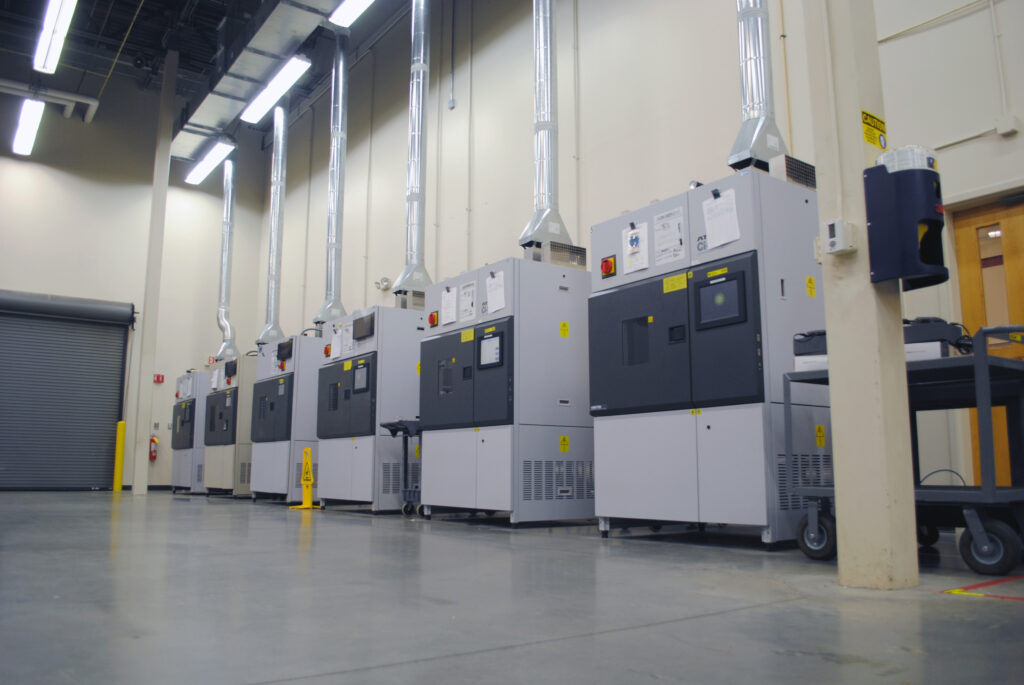
ATS’ 15 xenon chambers are carefully calibrated and regularly maintained. We combine scale and flexibility to deliver fast, reliable results. Our lab uses two distinct types of xenon chambers: the Atlas Ci4000/4400 and the Q-Lab Q-SUN Xe3. By leveraging our equipment and expertise, we can serve your testing needs by administering customized specifications, beginning exposure quickly, completing testing efficiently, and delivering detailed reporting.
To learn more about our Xenon Arc Testing services, or to schedule a consultation with one of our experts, please use our web request form or call us at +1 (888) 287-5227.