Page for Posts: 47549
is_page(): false
is_home(): false
is_singular(): true
Current template: template-canvas.php
Current post ID: 53933
get_queried_object_id(): 53933
The post type is: testing-and-analysis
Current query: Array ( [testing-and-analysis] => high-purity-copper-analysis [post_type] => testing-and-analysis [name] => high-purity-copper-analysis [testing-and-analysis-category] => metals-analysis [error] => [m] => [p] => 0 [post_parent] => [subpost] => [subpost_id] => [attachment] => [attachment_id] => 0 [pagename] => [page_id] => 0 [second] => [minute] => [hour] => [day] => 0 [monthnum] => 0 [year] => 0 [w] => 0 [category_name] => [tag] => [cat] => [tag_id] => [author] => [author_name] => [feed] => [tb] => [paged] => 0 [meta_key] => [meta_value] => [preview] => [s] => [sentence] => [title] => [fields] => all [menu_order] => [embed] => [category__in] => Array ( ) [category__not_in] => Array ( ) [category__and] => Array ( ) [post__in] => Array ( ) [post__not_in] => Array ( ) [post_name__in] => Array ( ) [tag__in] => Array ( ) [tag__not_in] => Array ( ) [tag__and] => Array ( ) [tag_slug__in] => Array ( ) [tag_slug__and] => Array ( ) [post_parent__in] => Array ( ) [post_parent__not_in] => Array ( ) [author__in] => Array ( ) [author__not_in] => Array ( ) [search_columns] => Array ( ) [ignore_sticky_posts] => [suppress_filters] => [cache_results] => 1 [update_post_term_cache] => 1 [update_menu_item_cache] => [lazy_load_term_meta] => 1 [update_post_meta_cache] => 1 [posts_per_page] => 8 [nopaging] => [comments_per_page] => 50 [no_found_rows] => [order] => DESC )

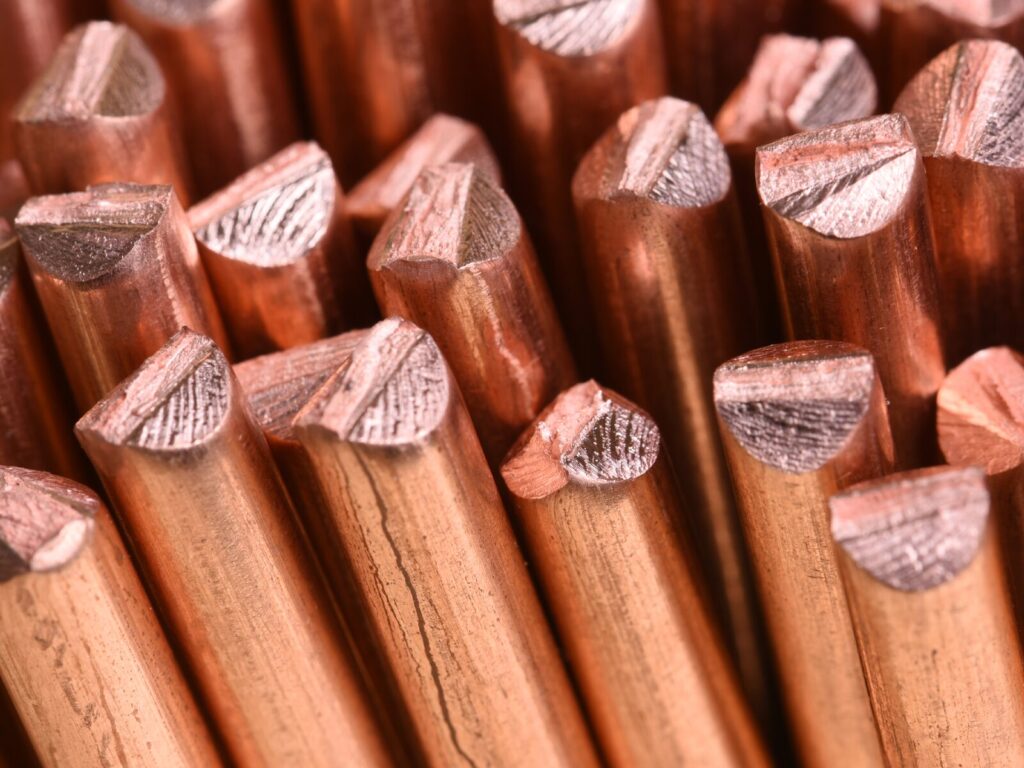
ATS performs high purity copper analysis on materials such as chemical, electrolytic, and fire-refined copper, copper in copper-tellerium alloys, and silver in silver cyanide salts.

How Electrodeposition Works

We derive measurements for the purity of the sample by using a method called electrodeposition. For example, we commonly determine the copper content using this electrolytic technique when the purity is between 99.75% to 99.95%.

Our chemists use ASTM E53 as a guide when testing copper samples. First, an expert dissolves the sample in a sulfuric nitric acid mixture. Next, the copper is separated and deposited onto a tared platinum cathode, which is initiated by applying current to the sample immersed in the acid mixture in a beaker. We typically use a magnetic stirrer with electrodes or wires made of platinum to avoid attack by the solution.

Once the solution becomes colorless, the electrolyte is analyzed by atomic absorption techniques to determine the amount of unplated copper. This is then combined with the amount of the plated copper to calculate the total copper content in the sample. For copper-tellurium alloys, a similar technique is used, as specified in the ASTM E121 standard.

ATS’ Commitment to Quality

ATS’ quality assurance program meets the most stringent requirements, including the nuclear industry. We are an ISO 9001:2015-registered company. Our chemistry laboratory is ISO/IEC 17025:2017 accredited to perform a variety of testing and analysis methods.

Contact Us

Call +1(888) 287-5227 or click here to request copper analysis from ATS.

Customer Service Representative, Ready to Help Direct You to the People Who can Help

We’re here to help.

Our 5 Major Segments

Testing

Inspection

Calibration

Engineering

Forensics

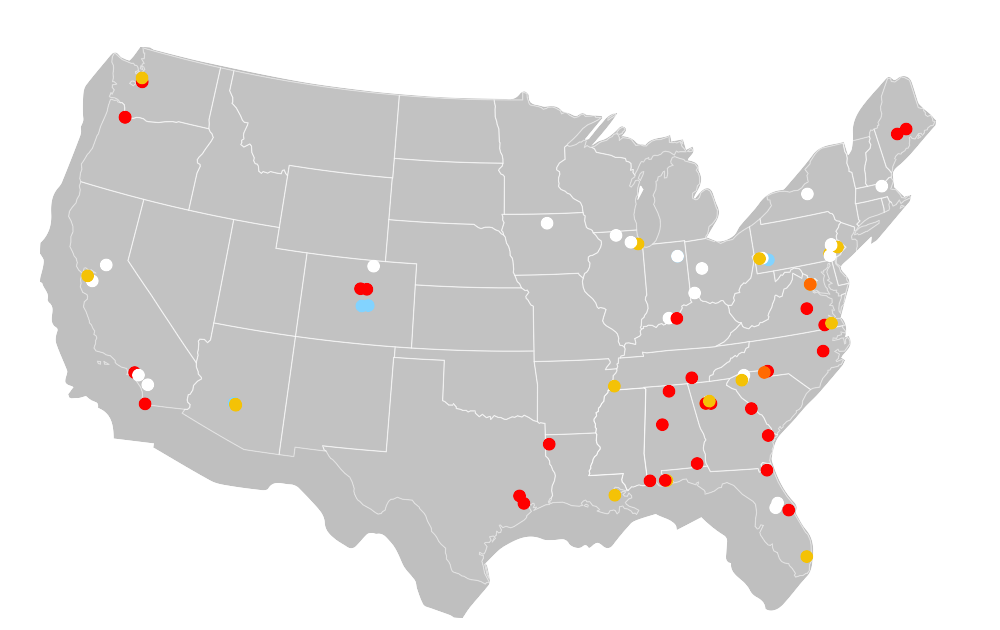
image of United States with dots indicating locations of ATS Branches and Acquisition Companies

Stay ahead of the curve with ATS insights

Unlock exclusive industry insights, expert tips, and the latest updates from ATS by subscribing to our newsletter. Join thousands of professionals who trust ATS to keep them informed and inspired.

This field is for validation purposes and should be left unchanged.