

PFAS
-

The Forever Chemical Regulation and Accountability Act of 2024
|
Read More: The Forever Chemical Regulation and Accountability Act of 2024On April 18, 2024, the U.S. Federal government proposed a PFAS-related bill introducing new oversight and accountability measures for entities that use PFAS and manufacture PFAS products. The Highlights of H.R. 8074 (S4187) The bill is divided into numerous sections, each detailing initiatives, actions, roles, and responsibilities present in the proposed bill. Section 101: NASEM…
-

PFAS State Regulations
|
Read More: PFAS State RegulationsPFAS chemicals in consumer products continue to receive scrutiny by state regulators. Several states are regulating the use of intentionally added PFAS chemicals in several different product categories, which include food packaging, textile articles, fabric treatments, carpets & rugs, juvenile products, and cookware. Most of the state regulations are currently in effect or will go…
-

PFAS Phaseout Guidance Published by AFIRM Group
|
Read More: PFAS Phaseout Guidance Published by AFIRM GroupPFAS Phaseout Guidance Published by AFIRM Group The AFIRM Group focuses on chemical management in textiles such as footwear, apparel, and accessories. AFIRM Group has recently published a document to assist supply chains is phasing out the use of PFAS in textile items such as clothing, shoes, and accessories. The guideline includes PFAS test plan…
-
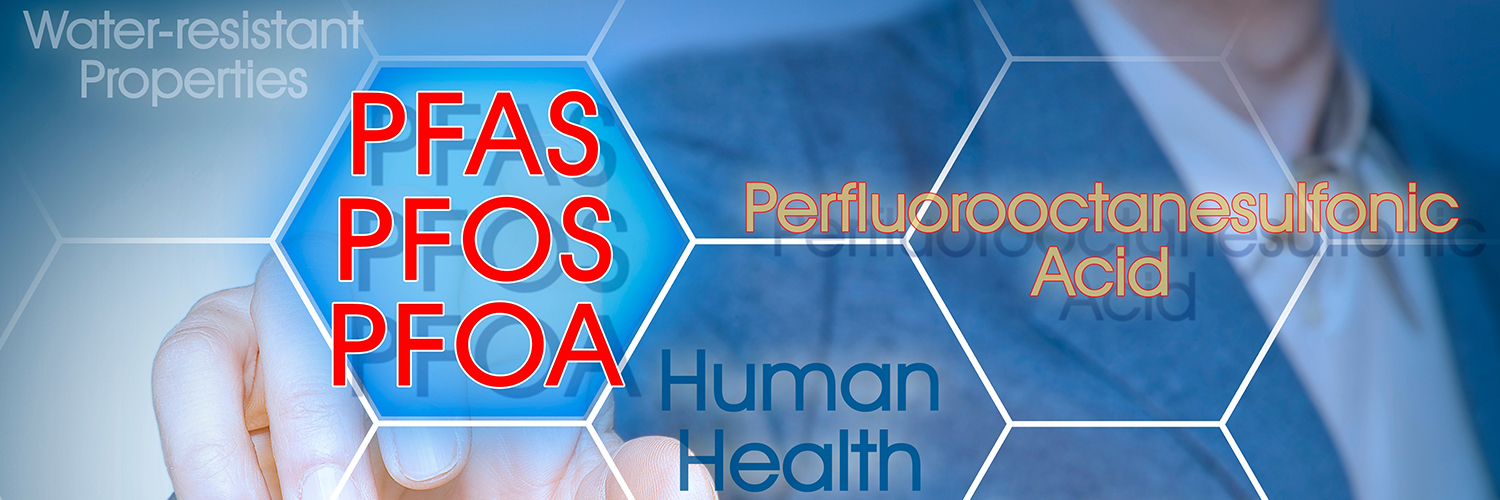
New PFAS Regulations by State
|
Read More: New PFAS Regulations by StateNew PFAS Regulations by State Recent laws prohibit the manufacture and sale of restricted products Marietta, GA. (October 6, 2022) – The EPA and several states have recently enacted restrictions on the use of potentially harmful PFAS in everyday products. At the federal level, the import of articles coated with long-chain PFAS is prohibited without EPA…
-

LECO Testing Growth at ATS
|
Read More: LECO Testing Growth at ATSATS continues to invest in new analytical instrumentation to meet the demands of our valued clients. In May of 2022 ATS acquired 2 new additional LECO instruments, bringing the total to 4 LECO analyzers in our headquarters, Marietta, GA. Our new LECO combustion analyzer is equipped with an autosampler to increase efficiencies. LECO analysis is…
-
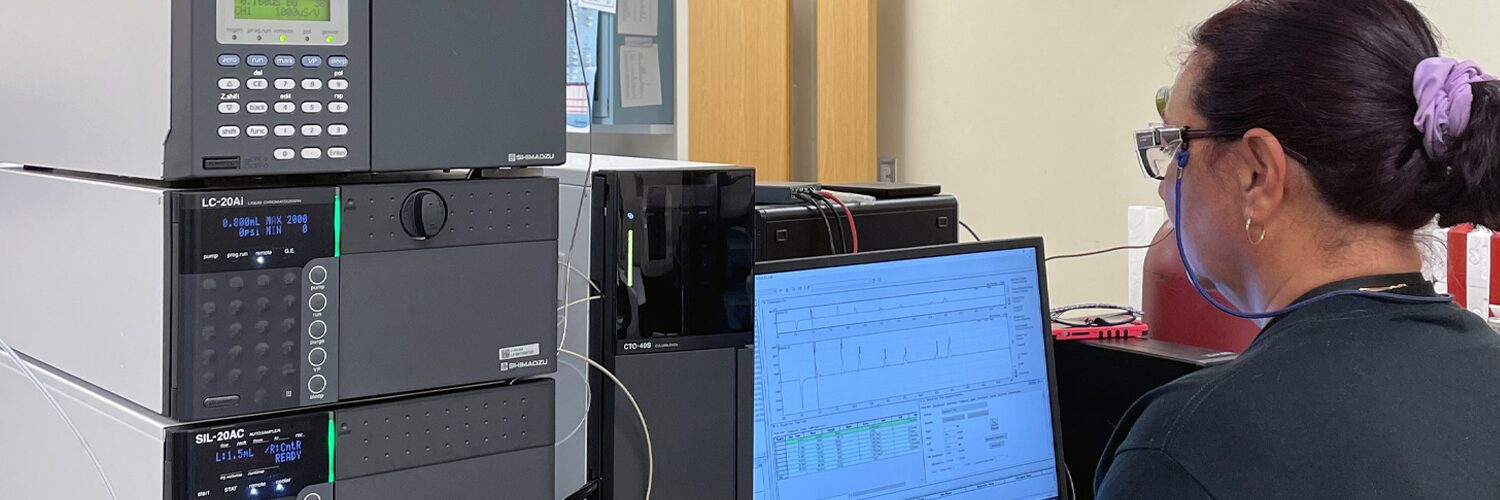
ATS Advances IC Testing
|
Read More: ATS Advances IC TestingATS Advances IC Testing ATS recently acquired a new Ion Chromatography (IC) unit and accompanying software to improve throughput and create more efficiencies for our clients. IC analysis is not new to ATS’s scope of testing capabilities – our team of skilled analyst have provided IC analysis to our clients for 25+ years. During that…
-
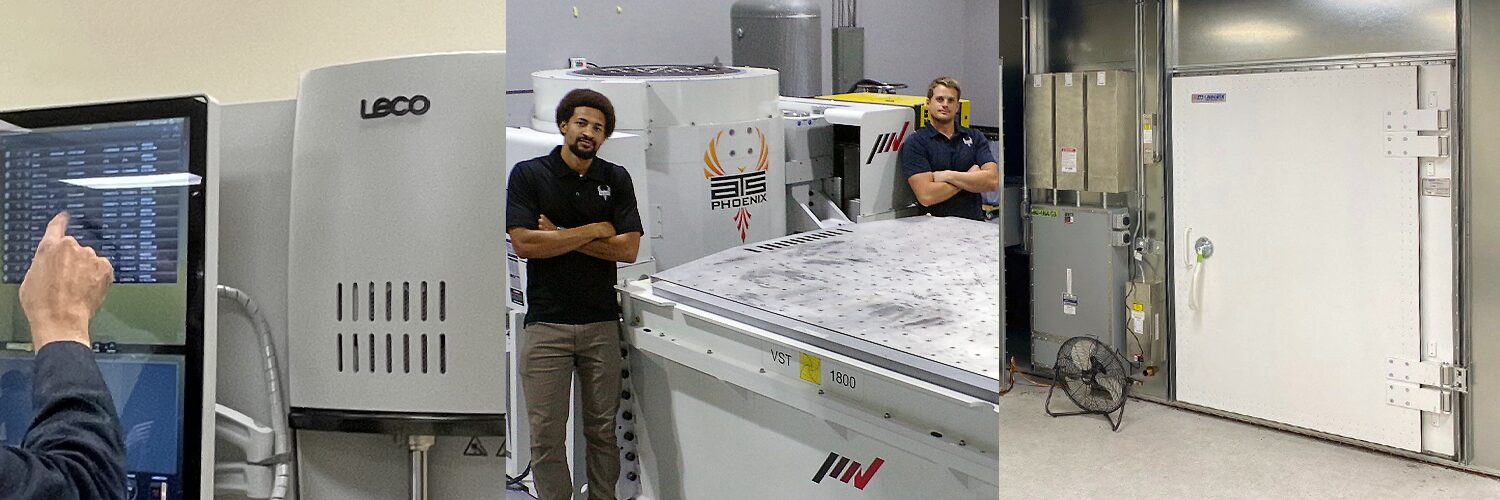
Advances In Testing
|
Read More: Advances In TestingATS Advances IC Testing ATS recently acquired a new Ion Chromatography (IC) unit and accompanying software to improve throughput and create more efficiencies for our clients. IC analysis is not new to ATS’s scope of testing capabilities – our team of skilled analysts has provided IC analysis to our clients for 25+ years. During that…
-

PFAS Regulations
|
Read More: PFAS RegulationsPFAS Regulations Per- and polyfluoroalkyl substances (PFAS) are organic chemical compounds with fluorine atoms attached to most or all available sites on an alkyl chain. PFAS chemicals are used in the manufacturing of textile materials mostly as a water or stain repellant. PFAS chemicals are widely used in products and there are thousands of PFAS…
Categories
- Acquisition
- Aerospace Report
- Archived Newsletters
- Automotive
- Automotive Report
- CPT Technical Bulletin
- Educational
- Electrical
- Expanded Capabilities
- General Manufacturing Report
- Industry Developments
- Medical Device Testing
- Metals Manufacturing Report
- Multiple Topics
- Power Generation Report
- Press Release
- Standards Discussion
- Standards/Regulations Update
- Testing and Analysis Newsletter