

Multiple Topics
-
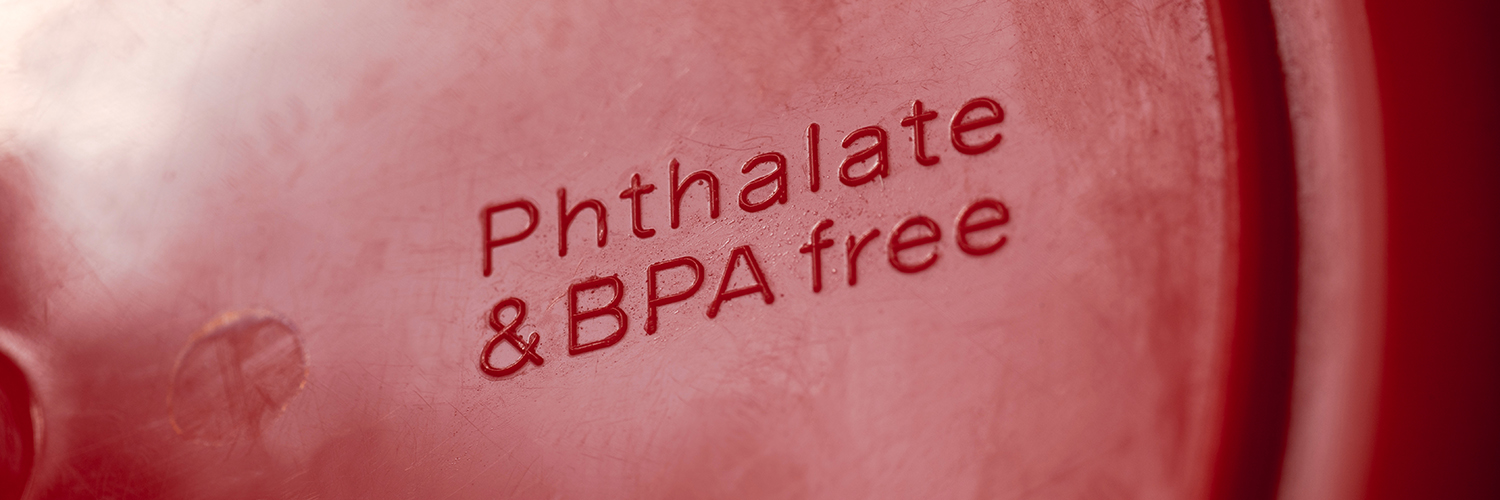
Phthalates Added to RoHS Annex II
|
Read More: Phthalates Added to RoHS Annex IIPhthalates Added to RoHS Annex II The European Commission (EC) plans to add four phthalates to the list of restricted substances under Restriction of Hazardous Substances Directive 2011/65/EU (RoHS). The four phthalates include DEHP, BBP, DBP, and DIBP, and the limit for each is set to be 0.1%. The directive is set to be effective…
-
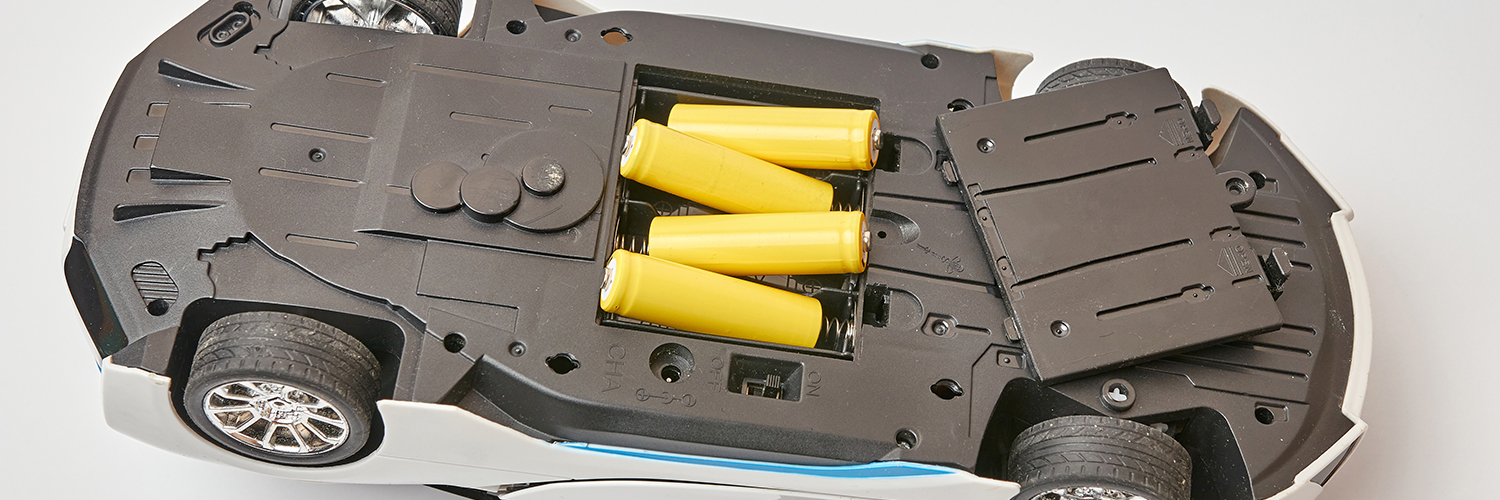
New US Toy Standard Required
|
Read More: New US Toy Standard RequiredThe New US Toy Safety Standard Required The Consumer Product Safety Commission (CPSC) is now requiring toy manufacturers to test to the new Toy Safety Standard, ASTM F963-16. The new standard was effective as of April 30, 2017. The changes affect the following: battery operated toys, projectiles, toy chests, magnets, heavy elements, microbiological safety, acoustics,…
-

RoHS 3, Prop 65 Updates, VOC Testing Expansion
|
Read More: RoHS 3, Prop 65 Updates, VOC Testing ExpansionWhat is RoHS 3? Are you prepared for RoHS 3 compliance? During 2019 there will be increased focus on RoHS compliance. On July 22, 2019, RoHS 3 becomes effective. RoHS 3 includes the addition of four phthalates: The limit for each of the phthalates is 0.1%. DEHP, BBP, DBP, and DIBP are already regulated by…
-


Toy Testing Requirements
|
Read More: Toy Testing RequirementsWith the recent state legislation coming into effect for various states, we would like to highlight the current/pending requirements that your business should be considering as it relates to Toys and Children’s Products. The requirements listed below may currently affect your testing programs. Toxic Metals Protection Act Toxic Metals Protection Act, H.R. 5920 was introduced into…
-
Toy Safety Standards
|
Read More: Toy Safety StandardsCPSIA Periodic Testing On February 8, 2013, periodic testing will be required for all the children’s required safety regulations, even if there is no material change to the product. Per the Consumer Product Safety Commission (CPSC), the three types of third party testing that are required include: Most manufacturers are aware of the first two…
-

Formaldehyde Testing Laboratories
|
Read More: Formaldehyde Testing LaboratoriesFormaldehyde Testing Requirements – On the Horizon Formaldehyde is a chemical widely used in building materials and to manufacture various household products. Formaldehyde is colorless, flammable, and has an offensive odor. Some products that formaldehyde is typically found in include plywood, glue, cosmetics, fabrics, and many others. Here in recent years, the use of formaldehyde…
-
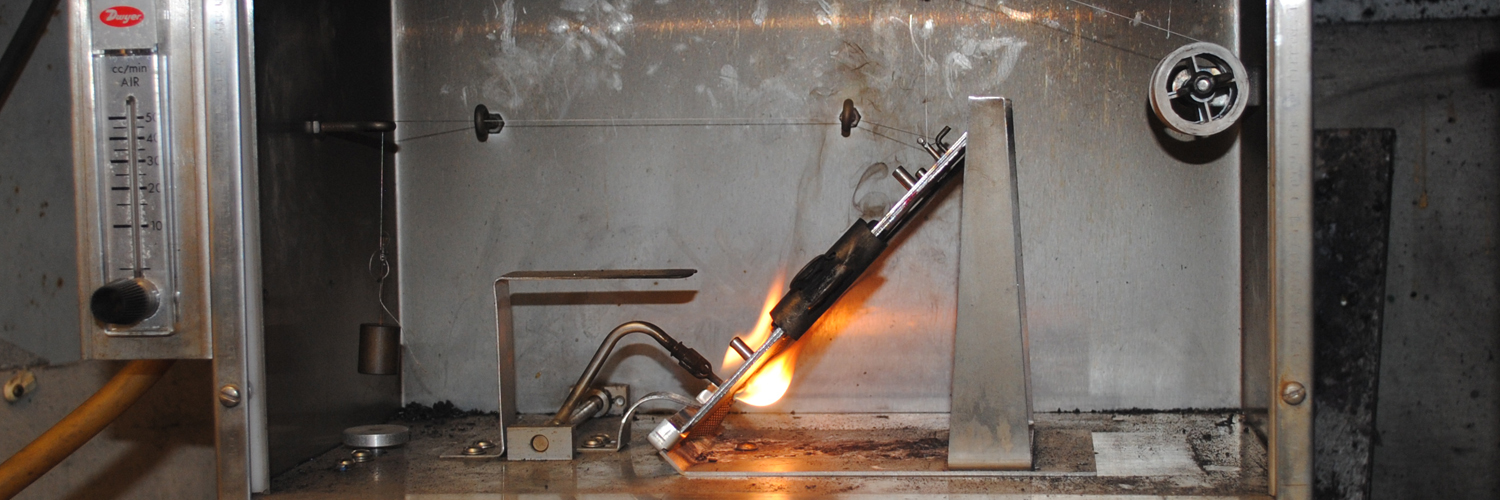
Flammability Testing Regulations
|
Read More: Flammability Testing RegulationsAre Your Items Required to Undergo Flammability Testing? If Your Product is Designed for Children Under 14, Then, Yes, It is Required to Undergo Flammability Testing. ASTM F963-08 contains the specification for toy flammability testing and states that “materials other than textiles (excluding paper) used in toys shall not be flammable.” This is regulated under…
-
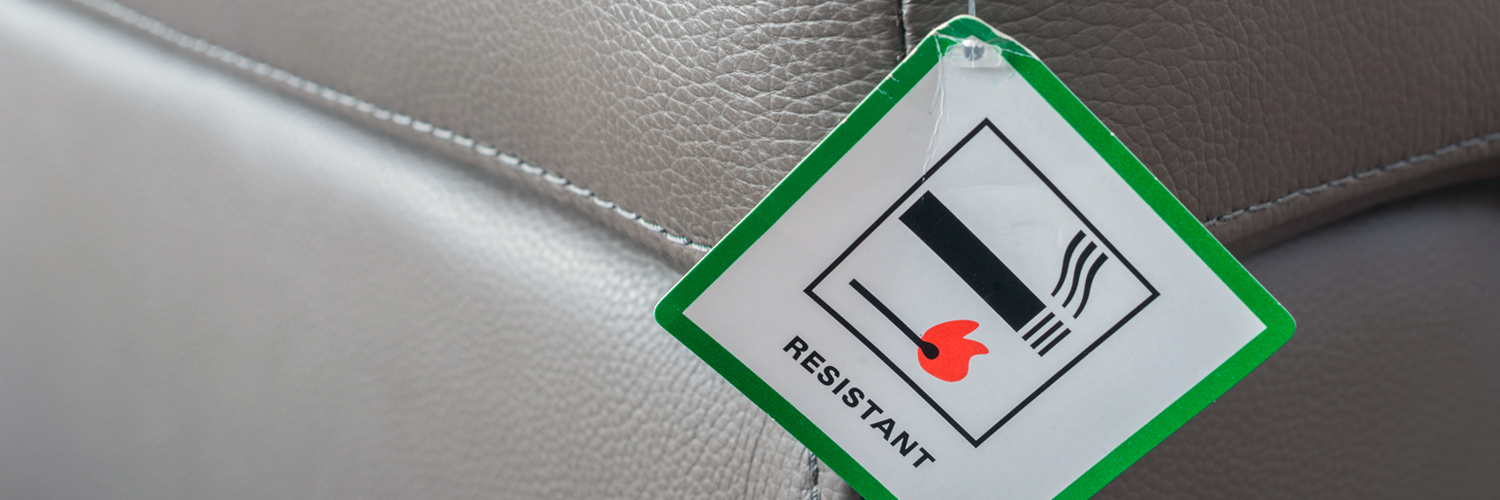
Fire Retardant Standards
|
Read More: Fire Retardant StandardsChlorinated Tris Flame Retardants – Regulation by State A number of states are implementing laws impacting the use of specific chlorinated tris compounds, which are flame retardant chemicals added to products such as foam. TDCPP is one that tops the list for most states. TDCPP was banned from use in children’s sleepwear in the 1970s,…
Categories
- Acquisition
- Aerospace Report
- Archived Newsletters
- Automotive
- Automotive Report
- CPT Technical Bulletin
- Educational
- Electrical
- Expanded Capabilities
- General Manufacturing Report
- Industry Developments
- Medical Device Testing
- Metals Manufacturing Report
- Multiple Topics
- Power Generation Report
- Press Release
- Standards Discussion
- Standards/Regulations Update
- Testing and Analysis Newsletter