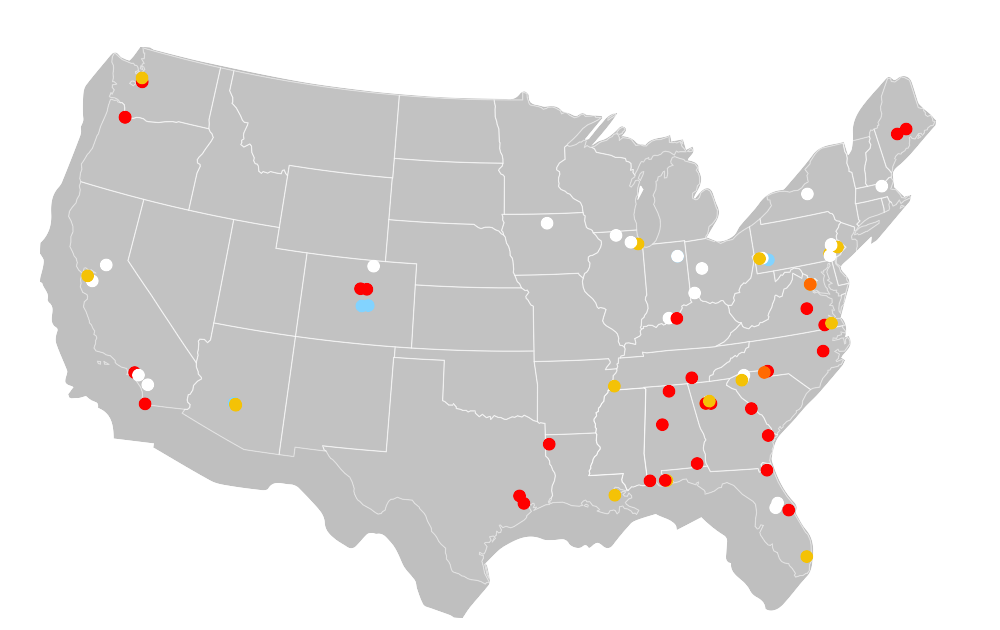
The Applied Technical Services Family of Companies (ATS FoC) provides sterile barrier testing for medical device manufacturers, helping to assess packaging systems intended to maintain sterility until use. These systems may include pouches, trays, lids, bags, and other configurations.
ATS offers sterile barrier testing for organizations seeking laboratory data on packaging integrity and performance. Testing supports packaging development, qualification, quality investigations, and related evaluations. Sterile barrier systems may face physical and environmental stresses during manufacturing, storage, handling, and distribution. Testing allows organizations to evaluate packaging response under specific conditions and identify potential concerns.
What Does Sterile Barrier Testing Evaluate?
Sterile barrier testing evaluates the integrity and performance of packaging for sterile medical devices. Test methods are selected based on packaging design, materials, and project goals. Common testing areas may include:
- Visual inspection
- Environmental conditioning
- Package integrity
- Dye penetration
- Bubble leak evaluation
- Seal integrity
- Leak detection
- Seal strength
- Accelerated aging
- Transportation simulation
These evaluations determine whether a packaging system maintains its barrier properties under specified conditions. Testing may focus on individual packaging components or the complete sterile barrier system. ATS features state-of-the-art, ISO/IEC 17025:2017-accredited, ISO 9001:2015-registered testing laboratories.
Who Needs Sterile Barrier Testing Services?
Medical device manufacturers are primary users of sterile barrier testing, while packaging manufacturers, contract manufacturers, and product development teams may also require these services. Organizations that may seek sterile barrier testing include:
- Contract manufacturers
- Medical device developers
- Quality assurance teams
- Medical device manufacturers
- Medical packaging manufacturers
- Packaging engineers
- Research and development groups
- Regulatory and compliance teams
Testing is conducted during initial packaging development, after changes to materials or processes, or to investigate unexpected package defects or failures.
How Can Sterile Barrier Testing Support Medical Device Packaging?
Packaging performance directly impacts the protection of sterile medical devices. A compromised package raises concerns about its ability to maintain barrier properties. Sterile barrier testing delivers objective data on packaging performance under defined conditions, helping development teams identify weaknesses in package designs or sealing processes.
For example, seal strength testing measures the force needed to separate a sealed package, while integrity testing identifies defects that could compromise the package. Testing can also support evaluations after environmental or distribution conditioning, providing further insight into package performance throughout its lifecycle. offers testing capabilities for evaluating sterile barrier systems and medical device packaging. The specific methods selected depend on the packaging configuration and testing objectives.
Potential evaluations include:
- Visual inspection
- Accelerated aging
- Environmental conditioning
- Distribution testing
- Leak testing
- Dye penetration testing
- Bubble leak testing
- Seal strength testing
- Package integrity testing
ATS helps clients select tests that meet their specific packaging requirements. Testing may address individual components or complete systems.
A laboratory testing program may incorporate multiple methods for comprehensive evaluation. Selected methods should reflect the packaging system’s characteristics and intended use.
When Should Sterile Barrier Testing Be Performed?
Sterile barrier testing supports various stages of medical device development. Early testing helps teams evaluate packaging concepts and identify design considerations.
Additional testing is recommended after significant changes to packaging materials, sealing equipment, suppliers, or manufacturing processes. Testing also supports shelf-life and distribution evaluations.
Common applications include:
- Material changes
- Supplier evaluations
- Quality investigations
- Accelerated aging studies
- Distribution testing
- New sterile packaging development
- Packaging design changes
- Seal process evaluations
- Packaging qualification
The timing and scope of testing depend on the product and packaging system. Organizations should define testing requirements based on their applications and relevant standards.
What Standards Apply to Sterile Barrier Testing?
Several standards and guidance documents apply to sterile barrier system evaluations. Requirements depend on packaging configuration, product, and intended use. ISO 11607 is commonly associated with packaging for terminally sterilized medical devices. It addresses requirements and test methods related to materials, sterile barrier systems, and packaging systems.
Specific test methods address seal strength, package integrity, accelerated aging, and distribution performance. A qualified laboratory can help identify suitable methods for each project. Testing should follow applicable methods and project requirements. Results provide technical data for the organization’s evaluation process.
Sterile Barrier Testing at ATS
The ATS FoC provides sterile barrier testing for organizations seeking laboratory support for medical device packaging evaluations. Capabilities include but are not limited to packaging development, qualification, aging studies, distribution evaluations, and quality investigations.
Contact Us
For sterile barrier testing with accurate reporting and short turnaround times, contact the professionals at ATS by submitting a web request form or calling +1 (888) 287-5227 today.