

News & Insights
-

Cadmium Hazards
|
Read More: Cadmium HazardsWhat is cadmium? Why is cadmium so harmful? What is the current regulation around cadmium? How is my business affected by this? With the recent cadmium scare to consumers, resulting in items being pulled from the shelves, these may be a few questions you have churning in your mind. As a lab that is equipped…
-

ATS Offers Unmatched BPA Testing Capability to 0.1 Parts per Billion Level
|
Read More: ATS Offers Unmatched BPA Testing Capability to 0.1 Parts per Billion LevelToxin Free Act Applied Technical Services (ATS) has established a detection limit of 0.1 parts per billion (ppb) to test for the presence of Bisphenol A (BPA) in various products. This is important to note because this unmatched capability can help your company achieve compliance with various state laws, and one in particular that has established a…
-

BPA Facts And Why It Is Banned
|
Read More: BPA Facts And Why It Is BannedBPA Facts And Why It Is Banned On July 17th, 2012 the Food & Drug Administration (FDA) approved the American Chemistry Council’s (ACC) suggestion to discontinue using polycarbonate resins in baby bottles and sippy cups. Since Bisphenol-A (BPA) is used in the process to make polycarbonate plastic and epoxy resins the approval basically bans BPA…
-
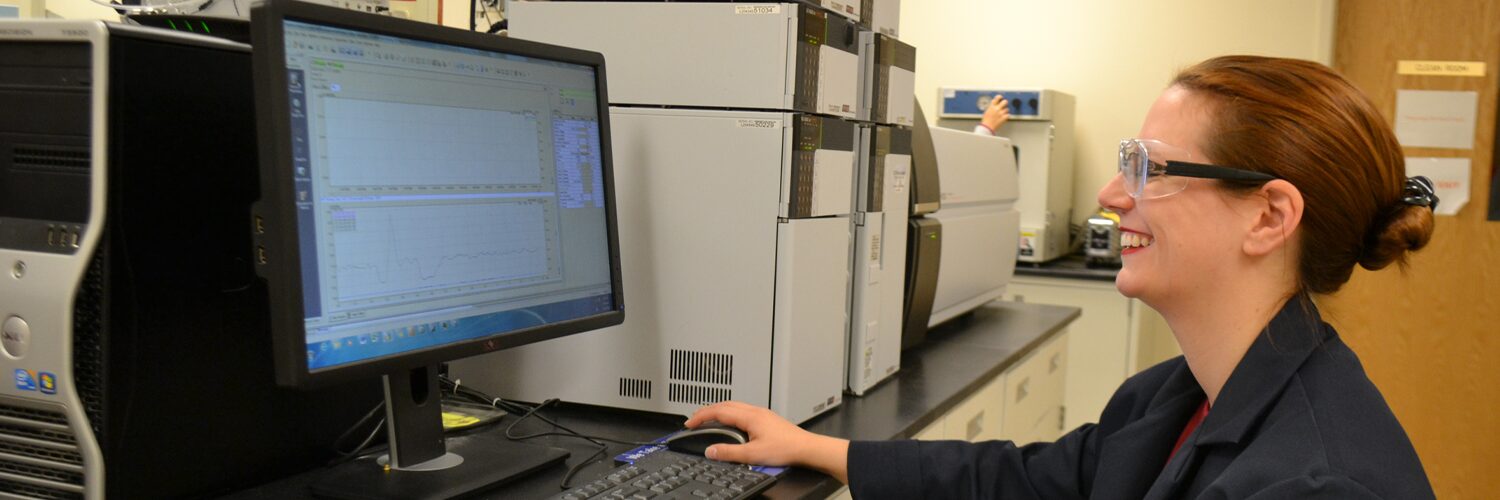
Bisphenol A is added to Proposition 65 List
|
Read More: Bisphenol A is added to Proposition 65 ListWhat is Proposition 65? Also commonly referred to as the Safe Drinking Water and Toxic Enforcement Act of 1986, Proposition 65 is a California state mandate that requires the governor to publish a list of all chemicals that have been scientifically proven to cause cancer, contain reproductive toxicity or pose other dangers to the population…
-

ASTM JEWELRY STANDARD TESTING
|
Read More: ASTM JEWELRY STANDARD TESTINGRhode Island Requiring Children’s Jewelry To Comply With Safety Standard On June 21, 2012, Rhode Island became the first state to require children’s jewelry to be tested to a specific safety standard. Any jewelry manufactured after December 18, 2012 will be required to conform to the specification for Consumer Product Safety for Children’s Jewelry, ASTM…
-

Children’s Jewelry Safety Standard – ASTM F2923-11
|
Read More: Children’s Jewelry Safety Standard – ASTM F2923-11Published in November 2011, ASTM F2923-11 – the “Children’s Jewelry Safety Standard,” has been approved by ASTM International. ASTM F2923-11 covers children’s jewelry that is intended primarily for use by children 12 and under. The voluntary specification includes test methods for specific heavy metals (total and soluble content & nickel release) and mechanical hazards testing…
-

BAN POISONOUS ADDITIVES ACT OF 2016
|
Read More: BAN POISONOUS ADDITIVES ACT OF 2016Bill H.R. 6269 Has Been Introduced That Would Ban the Use of Bisphenol-A (BPA) in Food Storage Containers Currently, the FDA has banned the use of BPA in baby bottles and sippy cups. Additionally, the California Office of Administrative Law approved a Maximum Allowable Dose Level (MADL) for BPA this past June. The MADL is…
-

VOC Products
|
Read More: VOC ProductsIndustries Impacted By VOCs Almost all manufactured products are subject to regulation through various safety standards, structural codes, government agencies, and end-user specifications. These regulations affect multiple industry groups and sometimes require altering manufacturing practices. The ramifications of VOC exposure caused by improper manufacturing processes can be severe and cost companies millions of dollars. ATS…
Categories
- Acquisition
- Aerospace Report
- Archived Newsletters
- Automotive
- Automotive Report
- CPT Technical Bulletin
- Educational
- Electrical
- Expanded Capabilities
- General Manufacturing Report
- Industry Developments
- Medical Device Testing
- Metals Manufacturing Report
- Multiple Topics
- Power Generation Report
- Press Release
- Standards Discussion
- Standards/Regulations Update
- Testing and Analysis Newsletter