

Flame Retardants
-
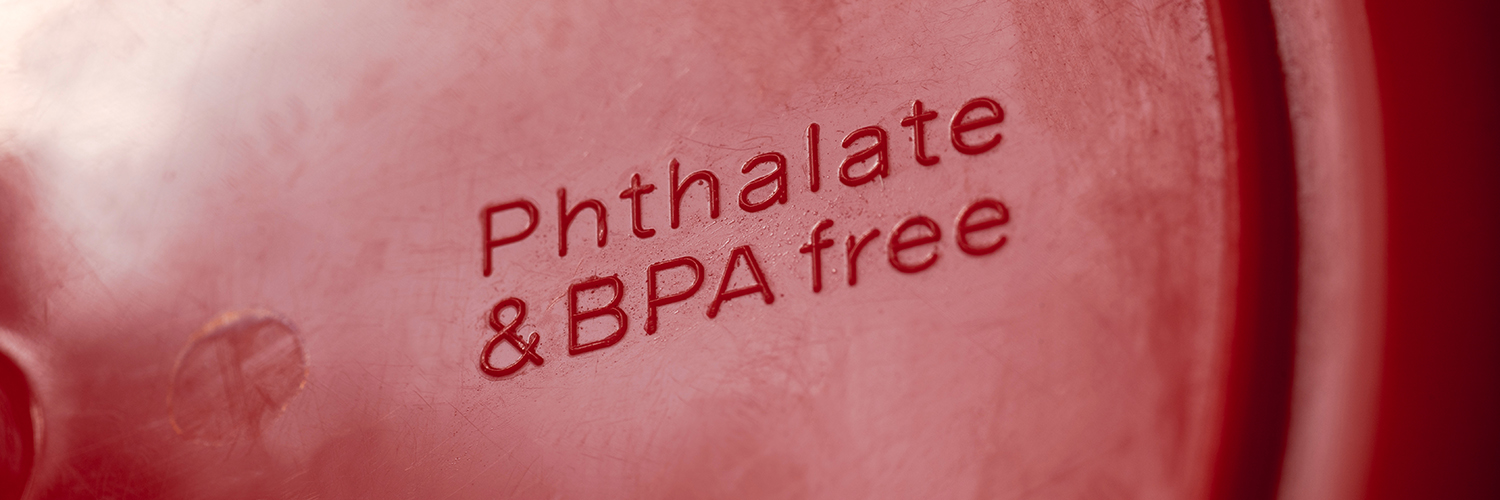
Phthalates Added to RoHS Annex II
|
Read More: Phthalates Added to RoHS Annex IIPhthalates Added to RoHS Annex II The European Commission (EC) plans to add four phthalates to the list of restricted substances under Restriction of Hazardous Substances Directive 2011/65/EU (RoHS). The four phthalates include DEHP, BBP, DBP, and DIBP, and the limit for each is set to be 0.1%. The directive is set to be effective…
-
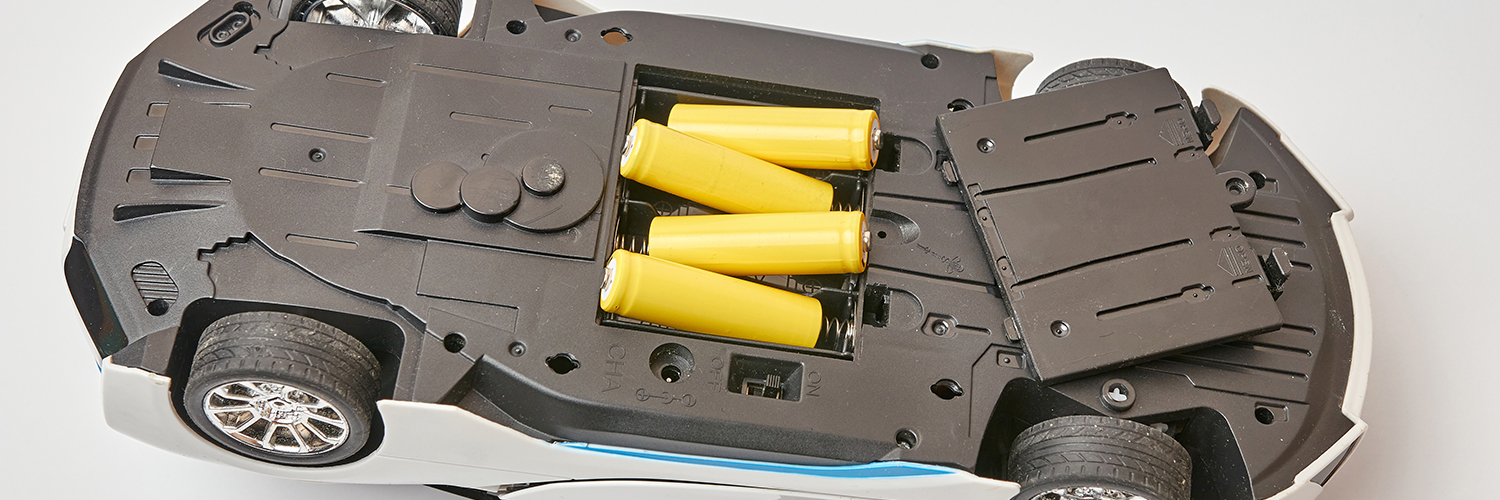
New US Toy Standard Required
|
Read More: New US Toy Standard RequiredThe New US Toy Safety Standard Required The Consumer Product Safety Commission (CPSC) is now requiring toy manufacturers to test to the new Toy Safety Standard, ASTM F963-16. The new standard was effective as of April 30, 2017. The changes affect the following: battery operated toys, projectiles, toy chests, magnets, heavy elements, microbiological safety, acoustics,…
-

Formaldehyde Testing Laboratories
|
Read More: Formaldehyde Testing LaboratoriesFormaldehyde Testing Requirements – On the Horizon Formaldehyde is a chemical widely used in building materials and to manufacture various household products. Formaldehyde is colorless, flammable, and has an offensive odor. Some products that formaldehyde is typically found in include plywood, glue, cosmetics, fabrics, and many others. Here in recent years, the use of formaldehyde…
-
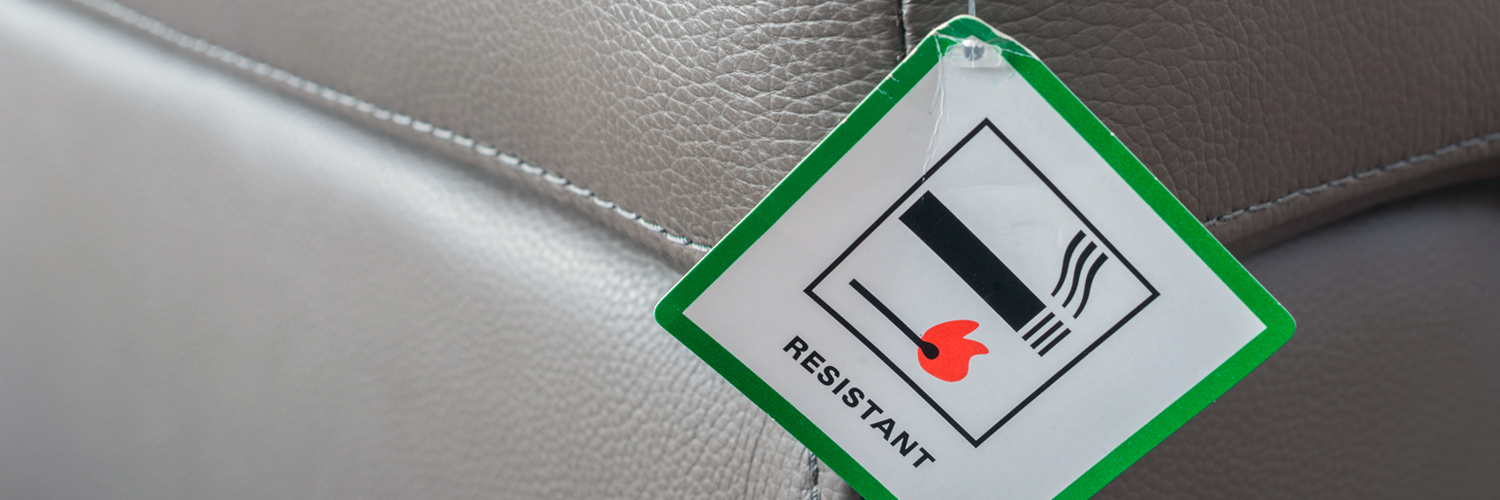
Fire Retardant Standards
|
Read More: Fire Retardant StandardsChlorinated Tris Flame Retardants – Regulation by State A number of states are implementing laws impacting the use of specific chlorinated tris compounds, which are flame retardant chemicals added to products such as foam. TDCPP is one that tops the list for most states. TDCPP was banned from use in children’s sleepwear in the 1970s,…
-

CPSIA Flame Retardant Regulations
|
Read More: CPSIA Flame Retardant RegulationsProposed Amendment to CPSIA to Include Flame Retardants The US House of Representatives has introduced a bill to amend the Consumer Product Safety Improvement Act (CPSIA). The proposal is to amend the CPSIA to ban flame retardant chemicals from being used in resilient filling materials in children’s products. The limit proposed for flame retardant chemicals…
-
CPSC PHTHALATES
|
Read More: CPSC PHTHALATESCPSC Expansion of Regulated Phthalates The CPSC has proposed a new safety standard for phthalates in children’s toys and childcare articles. Since 2012, the CPSC has required toys and childcare articles to be third-party tested for DEHP, DBP, BBP, DINP, DIDP, and DnOP. The Chronic Hazard Advisory Panel (CHAP) continually researches phthalates and recommended an…
-

California Proposition 65 Testing
|
Read More: California Proposition 65 TestingBisphenol A – Regulation Effective July 1, 2013: On July 1, 2013 the California law limiting Bisphenol A (BPA) will go into effect. The limit established for total BPA content is 0.1 parts per billion (ppb). Therefore, products affected by this law cannot contain BPA above this limit. The California requirement is applicable to bottles/cups…
-
BAN POISONOUS ADDITIVES ACT OF 2016
|
Read More: BAN POISONOUS ADDITIVES ACT OF 2016Bill H.R. 6269 Has Been Introduced That Would Ban the Use of Bisphenol-A (BPA) in Food Storage Containers Currently, the FDA has banned the use of BPA in baby bottles and sippy cups. Additionally, the California Office of Administrative Law approved a Maximum Allowable Dose Level (MADL) for BPA this past June. The MADL is…
Categories
- Acquisition
- Aerospace Report
- Archived Newsletters
- Automotive
- Automotive Report
- CPT Technical Bulletin
- Educational
- Electrical
- Expanded Capabilities
- General Manufacturing Report
- Industry Developments
- Medical Device Testing
- Metals Manufacturing Report
- Multiple Topics
- Power Generation Report
- Press Release
- Standards Discussion
- Standards/Regulations Update
- Testing and Analysis Newsletter