

Standards/Regulations Update
-
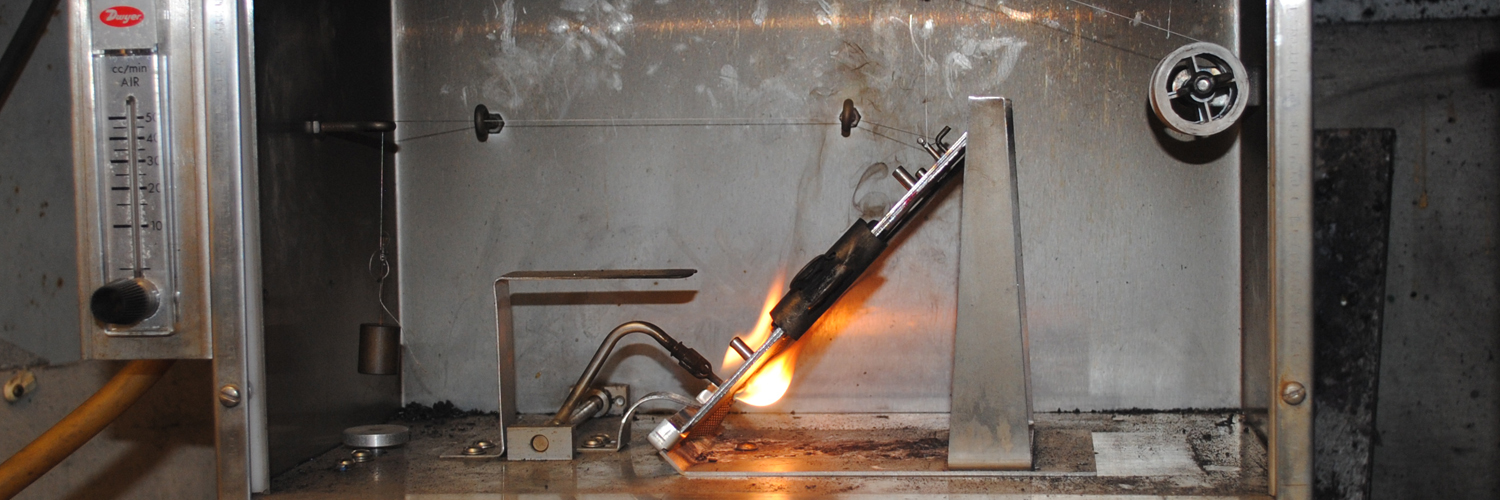
Flammability Testing Regulations
|
Read More: Flammability Testing RegulationsAre Your Items Required to Undergo Flammability Testing? If Your Product is Designed for Children Under 14, Then, Yes, It is Required to Undergo Flammability Testing. ASTM F963-08 contains the specification for toy flammability testing and states that “materials other than textiles (excluding paper) used in toys shall not be flammable.” This is regulated under…
-

Fire Retardant Standards
|
Read More: Fire Retardant StandardsChlorinated Tris Flame Retardants – Regulation by State A number of states are implementing laws impacting the use of specific chlorinated tris compounds, which are flame retardant chemicals added to products such as foam. TDCPP is one that tops the list for most states. TDCPP was banned from use in children’s sleepwear in the 1970s,…
-

CPSIA Flame Retardant Regulations
|
Read More: CPSIA Flame Retardant RegulationsProposed Amendment to CPSIA to Include Flame Retardants The US House of Representatives has introduced a bill to amend the Consumer Product Safety Improvement Act (CPSIA). The proposal is to amend the CPSIA to ban flame retardant chemicals from being used in resilient filling materials in children’s products. The limit proposed for flame retardant chemicals…
-

CPSC PHTHALATES
|
Read More: CPSC PHTHALATESCPSC Expansion of Regulated Phthalates The CPSC has proposed a new safety standard for phthalates in children’s toys and childcare articles. Since 2012, the CPSC has required toys and childcare articles to be third-party tested for DEHP, DBP, BBP, DINP, DIDP, and DnOP. The Chronic Hazard Advisory Panel (CHAP) continually researches phthalates and recommended an…
-

CPSC Magnets
|
Read More: CPSC MagnetsCPSC approves NEW requirement for High-Powered Magnets On September 24, 2014, the CPSC approved a new magnet standard that is applicable to high-powered magnet sets. The performance standard requires the magnets to be large enough so that they do not fit into the small parts cylinder. Additionally, the CPSC has established a limit for the…
-

Cadmium Regulations
|
Read More: Cadmium RegulationsNew Cadmium Regulations Often times we hear from our customers that the pending and current legislation as it applies to children’s toys/children’s products/consumer goods can be quite a bit to keep track of. Not only are there the federal requirements set forth by the Consumer Product Safety Commission, but also the state legislation that needs…
-

ATS Offers Unmatched BPA Testing Capability to 0.1 Parts per Billion Level
|
Read More: ATS Offers Unmatched BPA Testing Capability to 0.1 Parts per Billion LevelToxin Free Act Applied Technical Services (ATS) has established a detection limit of 0.1 parts per billion (ppb) to test for the presence of Bisphenol A (BPA) in various products. This is important to note because this unmatched capability can help your company achieve compliance with various state laws, and one in particular that has established a…
-
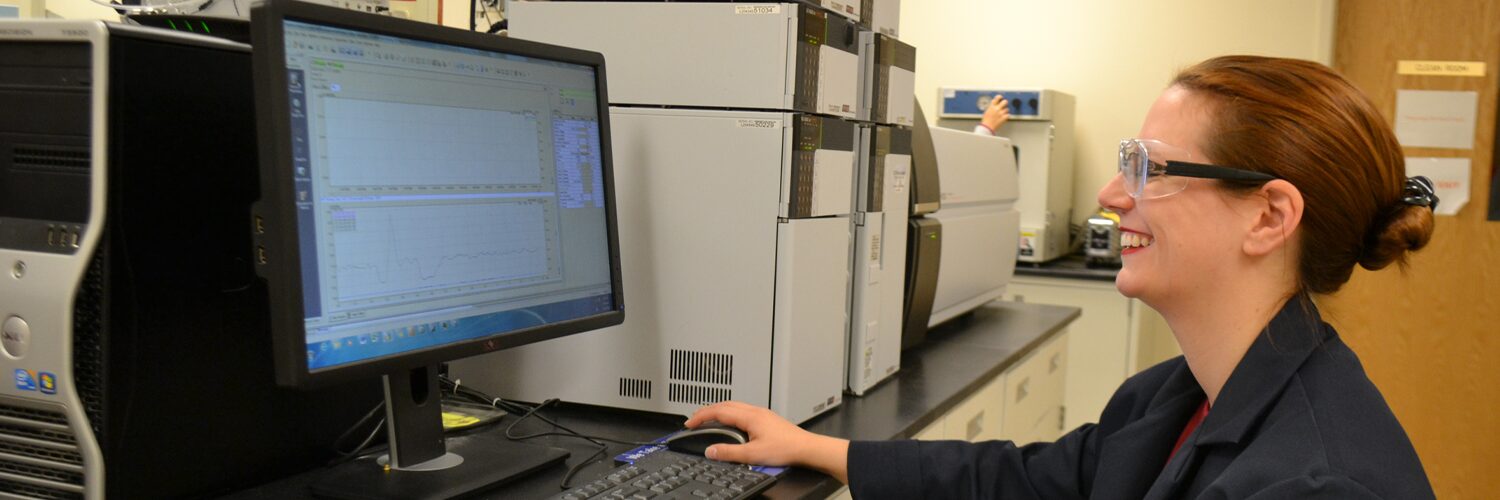
Bisphenol A is added to Proposition 65 List
|
Read More: Bisphenol A is added to Proposition 65 ListWhat is Proposition 65? Also commonly referred to as the Safe Drinking Water and Toxic Enforcement Act of 1986, Proposition 65 is a California state mandate that requires the governor to publish a list of all chemicals that have been scientifically proven to cause cancer, contain reproductive toxicity or pose other dangers to the population…
Categories
- Acquisition
- Aerospace Report
- Archived Newsletters
- Automotive
- Automotive Report
- CPT Technical Bulletin
- Educational
- Electrical
- Expanded Capabilities
- General Manufacturing Report
- Industry Developments
- Medical Device Testing
- Metals Manufacturing Report
- Multiple Topics
- Power Generation Report
- Press Release
- Standards Discussion
- Standards/Regulations Update
- Testing and Analysis Newsletter